
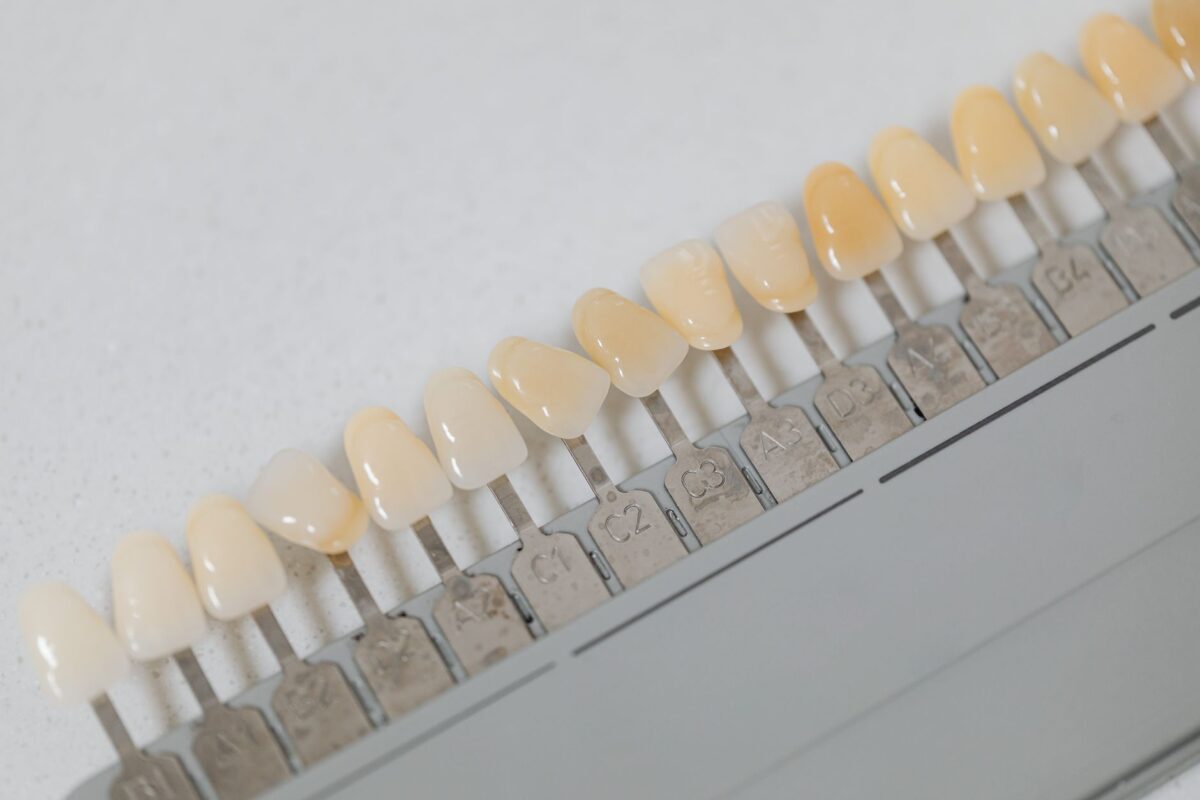
You look in the mirror, catch a weird dark spot on a tooth, and your brain instantly goes: “Is that a cavity?” Then you remember you had coffee (or red wine, or blueberries, or that one curry) and you wonder if it’s just a stain. The tricky part is that cavities and stains can look surprisingly similar at first glance, especially in certain lighting, or when the spot is tucked into a groove.
Knowing the difference matters because the fixes are totally different. A stain might be polished, whitened, or simply monitored. A cavity is tooth damage that usually needs treatment to stop it from getting bigger. This guide will help you sort out what you’re seeing, what it might mean, and when it’s time to get a pro opinion.
We’ll cover what cavities and stains really are, the telltale signs of each, the “gray area” situations where it’s hard to tell, and what you can do at home (and at the dentist) to protect your smile.
What you’re actually seeing when you spot a dark mark
Stains are color changes; cavities are structural changes
A stain is basically a discoloration, pigment sitting on the surface of the tooth or absorbed into it. The tooth can be perfectly healthy underneath even if it looks darker or yellower than you’d like. Stains can be external (on the enamel surface) or internal (within the tooth structure).
A cavity (tooth decay) is different. It’s a weak spot where the tooth’s hard structure has been demineralized by acids produced by bacteria. Early cavities can look like white chalky patches; later they can turn brown or black. The key point: a cavity is actual damage, not just color.
That’s why a “dark spot” isn’t automatically a cavity. Color alone doesn’t tell the whole story. Texture, location, sensitivity, and whether the area is changing over time all matter.
Why both can look similar in the mirror
Your bathroom mirror isn’t a dental operatory. Lighting can flatten details, and saliva can make enamel look shinier (or hide subtle roughness). Some stains settle into pits and grooves, making them look like “holes” when they’re not.
Also, early cavities aren’t always obvious. They can start under the surface and only later show visible changes. Meanwhile, deep stains can look dramatic but be completely harmless.
So if you’re trying to self-diagnose, you’re not alone. And you’re not “missing something” if you can’t tell. Dentists use a combination of visual exam, tactile exam, and X-rays to confirm what’s going on.
Common types of tooth stains (and how they behave)
Extrinsic stains: the usual suspects
Extrinsic stains sit on the outer layer of the tooth (enamel). They’re often caused by things like coffee, tea, red wine, cola, dark berries, tobacco, and even some mouth rinses. These stains tend to show up as yellowing or brownish patches, especially near the gumline or in the grooves of molars.
The good news is that extrinsic stains often respond well to professional cleaning and polishing. Sometimes they lighten with whitening products too, depending on the cause and how long they’ve been there.
A classic clue: extrinsic stains may look worse right after you’ve had staining foods and drinks, and they may improve after a thorough brushing or a dental cleaning.
Intrinsic stains: color from within the tooth
Intrinsic stains are inside the tooth structure. They can be caused by trauma (a tooth that got hit), certain medications, excessive fluoride during tooth development, aging (enamel thins and the underlying dentin shows through), or previous dental work.
These stains can look gray, yellow, or brown and don’t brush off. Whitening may help in some cases, but not always, especially if the discoloration is due to trauma or internal changes.
If one tooth is noticeably darker than the others, that’s often a sign of intrinsic discoloration and deserves a dental exam to rule out nerve issues.
Staining in grooves: when it looks scarier than it is
Molars have natural pits and fissures. Pigment loves to settle there. A stained groove can look like a thin black line or a dot that doesn’t go away easily.
Sometimes those grooves are just stained and hard, and sometimes they’re the starting point of decay. The difference comes down to whether the enamel is intact and whether there’s softening underneath.
This is one of the most common “stain vs. cavity” confusion zones, and it’s exactly where a dentist’s exam can save you from guessing.
How cavities form (and why they change color over time)
It starts with demineralization, not a hole
Many people picture a cavity as an obvious hole. In reality, cavities often start as a white spot lesion, an area where minerals have been pulled out of the enamel by acid. This can look chalky, dull, or slightly rough compared to the surrounding enamel.
At this stage, the tooth surface may still be intact, and with the right care (fluoride, improved brushing/flossing, diet changes), early decay can sometimes be halted or even remineralized.
So if you see a white patch near the gumline or on a smooth surface, don’t assume it’s “just enamel.” It might be an early warning sign.
Brown or black doesn’t always mean “worse,” but it can
As decay progresses, or sometimes as it arrests (stops progressing), the area can darken. That’s why you’ll hear dentists talk about “active” vs. “arrested” decay. Arrested decay can look dark but feel hard and stable, while active decay may be lighter or darker but feels soft or sticky.
Color is only one clue. Texture and location matter a lot. A dark area in a deep groove might be stained, arrested, or actively decaying. A dark area near the gumline might be root decay (especially if gums have receded).
If you’ve noticed the spot getting bigger, catching on floss, or changing quickly, that’s more concerning than a mark that’s looked the same for years.
Where cavities love to hide
Cavities don’t form randomly. They have favorite hangouts: between teeth (where you can’t see well), in the grooves of molars, around old fillings, and near the gumline where plaque tends to linger.
That’s why you can have a cavity and not see it. It’s also why X-rays are so important, especially for catching decay between teeth before it becomes a big problem.
If you’re only checking the visible surfaces in the mirror, you’re getting a partial picture. Helpful, but not definitive.
At-home clues: questions to ask yourself before you panic
Does it hurt, zing, or feel sensitive?
Stains typically don’t cause sensitivity. Cavities can, especially when they get deeper and start affecting dentin (the layer under enamel). Sensitivity to cold, sweets, or even air can be a hint that the tooth structure is compromised.
That said, not all cavities hurt. Some are completely silent until they’re big. And sensitivity can also come from gum recession, enamel wear, or a cracked tooth.
Still, if a spot is paired with new sensitivity, especially a sharp, localized zing, put it on your “get it checked soon” list.
Is the surface smooth and hard, or rough and catch-y?
Run your tongue over the area. Does it feel smooth like the rest of the tooth? A simple stain usually won’t change the surface texture much.
If it feels rough, pitted, or like there’s a tiny “ledge,” that could mean enamel is breaking down. If floss shreds or catches in the same spot repeatedly, that’s another sign something structural might be happening between the teeth or at the edge of a filling.
Be gentle, don’t poke at it with sharp objects. But paying attention to texture can give you a useful clue.
Does it brush off or lighten after a thorough clean?
Some surface stains (especially from foods or tobacco) may lighten a bit after careful brushing and flossing. If the mark looks dramatically better after a few days of good hygiene, it was likely superficial staining or plaque buildup.
If it doesn’t budge at all, it could still be a stain, intrinsic stains won’t brush off, but it’s a sign you’ll need professional input if you’re worried.
Also note: plaque can make teeth look darker or yellower, especially near the gumline. Sometimes what people think is “a cavity” is actually hardened plaque (tartar) that needs a professional cleaning.
Visual differences: what dentists look for during an exam
Location tells a story
Stains often appear in broad areas (overall yellowing) or in predictable places like grooves and near the gumline. Cavities also have favorite spots, but dentists think in terms of risk zones: between teeth, under plaque traps, and around restoration margins.
A single dark dot in a molar groove might be stained fissure. A dark shadow under the enamel, especially on a smooth surface, can sometimes indicate decay underneath.
If you have multiple dark spots in similar areas, it could be staining from diet or smoking. If it’s one isolated spot that seems to be changing, that leans more toward “investigate for decay.”
Edges and shine: subtle but helpful
Healthy enamel tends to look glossy. Areas of demineralization can look matte or chalky. A stain can sit on glossy enamel and still be glossy.
Dentists also look at the edges of the discoloration. Stains may have softer, more diffuse borders. Cavities can sometimes have more defined margins, or they may show undermined enamel where the surface looks intact but is weaker underneath.
None of this is foolproof without an exam, but it’s part of the overall pattern recognition dentists use.
The “feel” of the tooth matters (but leave that to pros)
In a dental exam, clinicians may gently assess whether a suspicious area feels hard and intact or soft and sticky. Softness can indicate active decay.
This is one reason you shouldn’t try to “test” the spot with a pin or toothpick at home. You can damage enamel or irritate gums, and you still won’t get a reliable answer.
If you’re curious, focus on what you can safely observe: sensitivity, visual changes, and whether the area is collecting plaque more than usual.
Tricky look-alikes that fool a lot of people
Deep grooves and fissure staining
Molars can have naturally deep grooves that look like cracks or holes. When pigment settles in, it can look like decay even when the enamel is sound.
Sometimes the groove is stained but sealed by hard enamel. Other times, decay is starting under the surface. This is where dental sealants can be helpful for prevention, especially for kids and teens.
If you’ve had a stained groove for years and it hasn’t changed, it’s often just staining. But it’s still worth having it checked during routine visits.
Enamel hypoplasia and developmental spots
Some people have enamel that formed with little pits, lines, or opaque patches. These can be white, yellow, or brown and can look like “defects.” They’re not necessarily cavities, but they can make teeth more vulnerable to decay because the surface may be less uniform.
If you’ve had the spot since childhood, it may be developmental. The key is whether it’s stable and whether it’s in an area that’s trapping plaque.
These cases often benefit from a personalized prevention plan, sometimes including fluoride, bonding, or sealants.
Old fillings, margins, and shadowing
Dental work can create shadows or darker edges, especially with older materials. A tooth-colored filling can stain at the margins over time. A silver filling can create a gray cast under the enamel.
Not every dark line around a filling is decay. Sometimes it’s just surface staining at the edge. Other times, it’s recurrent decay that needs attention.
If you notice a dark line that’s growing, rough, or paired with sensitivity, that’s a good reason to book an exam.
When a stain is a heads-up, not just a cosmetic issue
Stains that signal dry mouth or high acidity
Some staining patterns can be a clue that your mouth environment is more acidic or drier than ideal. Dry mouth reduces saliva, which normally helps neutralize acids and wash away food particles. With less saliva, you may see more plaque buildup and discoloration.
Acidic drinks (soda, sports drinks, citrus water) can soften enamel and make it more prone to both staining and decay. The stain isn’t the “problem” by itself, but it can be a sign your enamel is under stress.
If you’re noticing more discoloration than usual, it may be worth looking at hydration, medication side effects, and how often you’re sipping acidic beverages.
Brown near the gumline: stain, tartar, or root decay?
A brownish band near the gumline can be simple staining, but it can also be tartar (hardened plaque) or early root decay if gums have receded. Root surfaces don’t have enamel; they’re more vulnerable and can decay faster.
This is one of those spots where guessing can backfire. If it’s tartar, it needs a professional cleaning. If it’s root decay, early treatment can prevent a bigger restoration later.
If brushing makes the gums bleed in that area or the surface feels rough, it’s smart to get it evaluated.
One tooth getting darker over time
If a single tooth is darkening compared to its neighbors, that’s a different category than coffee staining. It can happen after trauma, even minor trauma you barely remember. Sometimes the tooth’s nerve responds by changing internally, which can shift the color toward gray or brown.
That doesn’t automatically mean the tooth is “dead,” but it does mean a dentist should check it, sometimes with X-rays and vitality testing.
Cosmetic whitening may not be the right first step for a tooth that’s darkening from within; you want to confirm the tooth is healthy before focusing on shade.
What to do if you suspect a cavity (without spiraling)
Track changes for a week, but don’t wait months
If you just noticed the spot today, take a clear photo in good light and compare it after a week of consistent brushing and flossing. Sometimes you’ll realize it was plaque or food staining that improves quickly.
If it looks the same, gets bigger, or you develop sensitivity, don’t put it off. Cavities don’t fix themselves once the surface collapses. Early intervention is usually simpler, cheaper, and more comfortable.
Think of it like a tiny crack in a windshield: you can sometimes stop it early, but ignoring it rarely makes it disappear.
Don’t “scrape” it off
It’s tempting to use a toothpick or a metal tool to see if you can remove the spot. Please don’t. You can scratch enamel, irritate gums, and potentially make a weak area worse.
If it’s tartar, it won’t come off safely at home anyway. If it’s early decay, scraping could damage the surface and accelerate breakdown.
The safest move is to keep the area clean with gentle brushing, flossing, and possibly a fluoride rinse, then get it assessed.
Know the “don’t wait” symptoms
Some signs mean you should book ASAP: spontaneous toothache, swelling, pain when biting, a pimple-like bump on the gum, or sensitivity that lingers long after cold exposure.
These can suggest deeper decay, a crack, or infection, situations where waiting can turn a manageable problem into a more urgent one.
If you’re in that category, you’ll want professional help quickly rather than trying to troubleshoot with home remedies.
How dentists confirm stain vs. cavity
X-rays reveal what eyes can’t
Interproximal cavities (between teeth) are a classic example of “invisible decay.” You may see a dark triangle or shadow near the contact point, but you often won’t see anything at all.
Bitewing X-rays help identify decay between teeth and under some restorations. They also help determine how deep a suspicious area is, which guides whether it can be monitored or needs treatment.
If you haven’t had X-rays in a while and you’re worried about a spot, that’s often the missing puzzle piece.
Clinical exam: light, magnification, and gentle probing
Dentists and hygienists use bright light and sometimes magnification to see subtle changes in enamel. They’ll look for demineralization, roughness, plaque retention, and changes around existing fillings.
They may also use gentle instruments to assess whether an area is hard or soft. This is done carefully, modern dentistry aims to avoid aggressive “sticking” that could damage enamel.
Combined with your history (diet, dry mouth, past cavities), the exam helps determine whether you’re looking at a stain, early decay, or something else entirely.
Caries-detecting tools (when needed)
Some practices use additional tools like laser fluorescence devices or caries-detecting dyes in specific cases. These can add information, especially for tricky grooves.
They’re not always necessary, but they can help confirm whether a suspicious dark groove is simply stained or actively decaying.
The big picture is that diagnosis is usually a combination of clues rather than one single “test.”
If it’s a stain: realistic ways to brighten safely
Start with a professional cleaning
If your teeth have surface stains, a cleaning is often the fastest way to see real improvement. Polishing removes a lot of extrinsic stain, and it also resets your baseline so you can tell what’s truly intrinsic discoloration.
People are sometimes surprised that what they thought required whitening was mostly plaque and stain buildup. A good cleaning can make teeth look noticeably fresher without changing the natural shade dramatically.
It also gives your dental team a chance to check that your gums are healthy and that there aren’t any early cavity spots hiding under stain.
Whitening options: why customization matters
Whitening can be great for many types of discoloration, but it’s not one-size-fits-all. Over-the-counter strips can help mild staining, but they may increase sensitivity or miss uneven areas.
Professional whitening can be tailored to your teeth and goals, and your dentist can advise whether whitening will work for your specific stain type (extrinsic vs. intrinsic). If you’re exploring teeth whitening in Midland, ON, it’s worth asking about expected results, sensitivity management, and how to maintain the shade you achieve.
Also, whitening won’t change the color of fillings, crowns, or veneers. So if you have dental work on visible teeth, planning matters to avoid mismatched shades.
Everyday habits that keep stains from coming right back
Even after whitening or cleaning, stains can creep back if the habits that caused them stay the same. You don’t have to give up coffee forever, but small tweaks help: rinse with water after staining drinks, use a straw for iced coffee or tea, and avoid sipping acidic beverages all day long.
Brushing too aggressively can actually make staining worse over time by wearing enamel and exposing more dentin. Aim for gentle, thorough brushing with a soft toothbrush and fluoride toothpaste.
If you smoke or vape, staining is only one piece of the puzzle. Your gums and overall oral health benefit a lot from reducing or quitting.
If it’s a cavity: what treatment might look like
Early-stage decay: sometimes you can stop it without drilling
If decay is caught early (before a true hole forms), your dentist may recommend fluoride treatments, prescription toothpaste, dietary changes, and improved home care. The goal is to remineralize and stabilize the area.
This is where “watching” a spot can be appropriate, under professional guidance. A suspicious area may be monitored with photos, measurements, or periodic X-rays.
It’s not about ignoring it; it’s about choosing the least invasive option that keeps the tooth healthy.
Fillings: repairing the damaged area
Once the enamel surface breaks and a cavity forms, the decayed portion needs to be removed and the tooth restored. Tooth-colored fillings are common and can blend nicely with natural enamel.
Modern fillings are typically straightforward, but the size of the restoration depends on how early the cavity is treated. Small cavities usually mean smaller fillings and more natural tooth preserved.
If you’ve been hoping a dark spot is “just a stain,” this is the practical reason to check sooner rather than later.
Deeper decay: crowns, root canals, and why timing matters
If decay gets close to or into the nerve, treatment becomes more involved. A root canal may be needed to remove infected tissue, and a crown may be recommended to protect the tooth afterward.
This is where delays can really raise the stakes. What might have been a simple filling can turn into a bigger procedure if the cavity progresses.
The upside is that dentistry has many ways to save teeth, even badly damaged ones, but earlier care is usually easier on your schedule and your wallet.
When you should get checked even if it “doesn’t hurt”
Because cavities can be silent
A lot of people assume no pain means no problem. Unfortunately, many cavities don’t hurt until they’re deep. By the time you feel a constant ache, the tooth may already be significantly compromised.
That’s why routine exams are so valuable. They catch the quiet stuff: early decay, failing fillings, gum inflammation, and bite issues that can lead to cracks.
If you’ve got a spot you’re watching, it’s totally reasonable to bring it up at your next appointment, or book sooner if you’re unsure.
Because stains can hide problems underneath
Sometimes a tooth is stained because the enamel is rougher or more porous in that area. That same area might be more prone to demineralization. So the stain isn’t the cavity, but it can be a sign of risk.
Also, plaque tends to stick to rough surfaces. If a stained groove is also a plaque trap, it deserves a closer look.
A dentist can tell you whether you’re seeing harmless discoloration or an area that needs extra prevention.
Because peace of mind is worth a lot
It’s exhausting to keep checking the mirror and wondering. A quick exam can give you clarity, whether that means “all good, it’s stain” or “let’s take care of this early.”
If you’re looking for a reliable place to get that kind of clarity, connecting with a dental office in Midland, ON can help you get an expert opinion and a plan that fits your situation, whether the goal is prevention, cosmetic improvement, or treatment.
Either way, you’ll stop guessing and start making decisions with real information.
Urgent situations: stain vs. cavity doesn’t matter anymore
Swelling, fever, or spreading pain
If you have facial swelling, a fever, or pain that’s spreading into your jaw, ear, or neck, don’t wait to “see if it’s just a stain.” Those symptoms can indicate an infection that needs prompt attention.
Infections can escalate quickly, and they’re not something to manage with home care alone. The priority is getting evaluated and treated safely.
If you’re in that scenario, seek urgent dental care in Midland, ON so you can get relief and prevent complications.
A sudden crack, lost filling, or sharp edge
If a tooth chips or cracks and you suddenly see a dark area, it might be exposed dentin or an old stain that was hidden. Either way, a broken surface can invite sensitivity and bacteria.
Lost fillings are another common trigger for “What is that dark spot?” The darkness might be decay, old material, or simply the internal structure of the tooth. But the tooth is vulnerable until it’s restored.
Cover sharp edges with dental wax if needed and book care promptly, especially if you’re in pain.
Severe sensitivity that lingers
A quick cold zing that goes away fast can be mild sensitivity. But if cold pain lingers for 30 seconds or more, or if heat triggers pain, that can suggest deeper inflammation.
This is one of the biggest signs that a cavity may have progressed beyond the “watch and wait” stage.
Getting checked sooner can mean simpler treatment and faster relief.
Prevention that actually makes a difference (for both stains and cavities)
Brush and floss like you mean it (but gently)
Brushing twice a day with fluoride toothpaste and flossing daily is still the foundation. The reason is that cavities and stains both thrive when plaque sits undisturbed.
Technique matters more than force. Use a soft brush, angle it toward the gumline, and take your time. For floss, aim to hug the tooth in a “C” shape and slide under the gumline gently. This is where plaque loves to hide.
If flossing is tough, try floss picks, interdental brushes, or a water flosser. The best tool is the one you’ll actually use consistently.
Diet timing is as important as diet content
Frequent snacking and sipping keeps your mouth acidic for longer periods, which increases cavity risk. Even if you eat “healthy,” grazing all day can still be hard on enamel.
Try to keep sugary or starchy foods to mealtimes when saliva flow is higher. If you do snack, rinse with water afterward. Chewing sugar-free gum with xylitol can also help stimulate saliva.
For staining, it’s the usual lineup: coffee, tea, wine, dark sauces. You don’t have to avoid them, but rinsing with water and not brushing immediately after acidic drinks (wait 30 minutes) can help protect enamel.
Regular checkups catch the “gray area” early
Since stains and early cavities can look similar, routine dental visits are where the uncertainty gets cleared up. Your dental team can track changes over time, compare X-rays, and spot patterns that indicate higher risk.
They can also recommend targeted prevention, like fluoride varnish, sealants, or a change in home-care routine, based on what they see in your mouth, not just general advice.
That combination of personalization and early detection is what keeps small issues from turning into big ones.
If you’ve been staring at a spot and wondering what category it falls into, you’re already doing the right thing by paying attention. The next best step is getting a clear answer. So you can either brighten it up confidently or treat it early and move on with your life.
Ohio city guides
Invisalign, city by city
Columbus
Cost, the treatment process, financing and four practices with Columbus offices.
Cincinnati
What aligners cost in the city, how treatment runs and four local practices.
Cleveland
Benefits over braces, the process, cost and four practices with Cleveland offices.
Toledo
Cost, insurance and financing, choosing a provider and four Toledo practices.
Akron
The treatment process step by step, cost, aftercare and four Akron practices.
Dayton
What to expect, what it costs, how to choose and four practices with Dayton offices.