
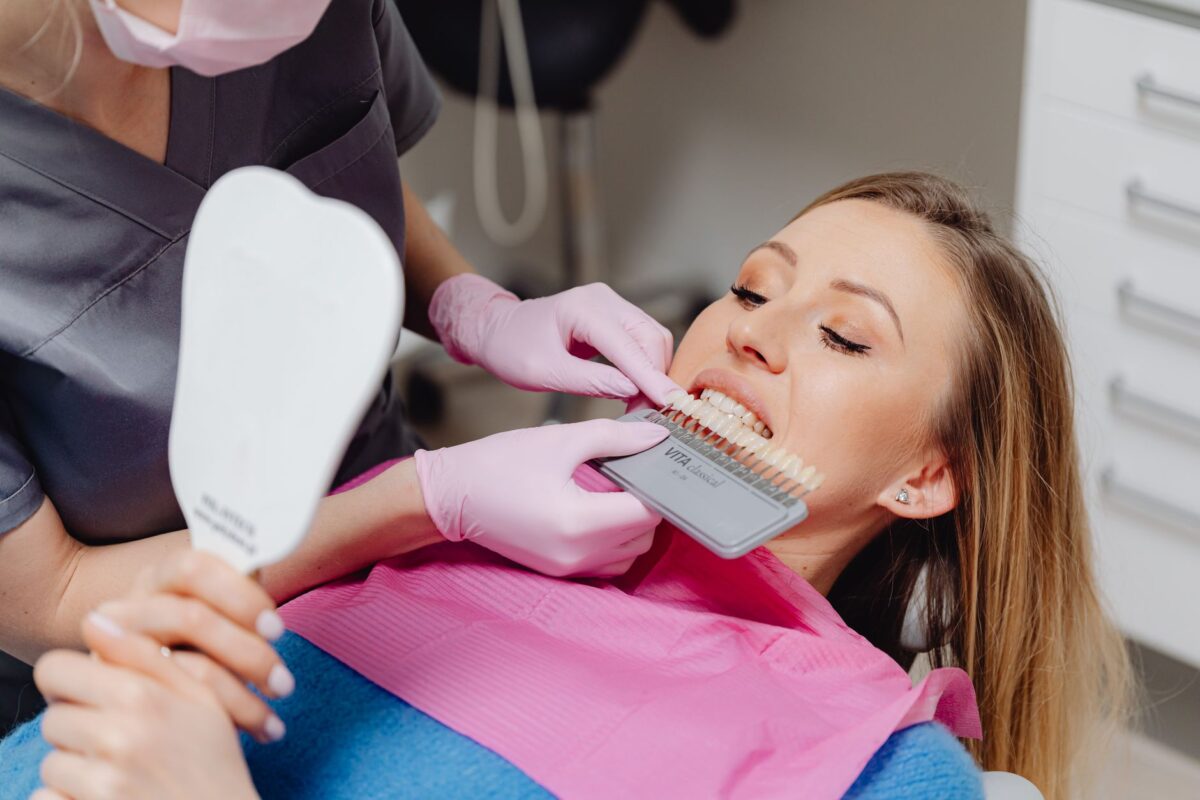
Teeth whitening can feel like magic: one day your smile looks a little dull, and the next it looks brighter, cleaner, and more “you.” But if you’ve ever whitened your teeth, whether with strips, trays, or an in-office treatment, you may have run into an annoying side effect: that zingy, sharp tooth sensitivity that shows up when you sip something cold, breathe in cool air, or even bite into a piece of fruit.
The good news is that sensitivity after whitening is common, usually temporary, and often preventable. The even better news is that you don’t have to choose between a whiter smile and being comfortable. With the right approach, you can understand why it happens, reduce it quickly, and plan future whitening so it’s much gentler.
This guide breaks down what causes tooth sensitivity after whitening, who’s more likely to get it, what you can do at home right away, and when it’s time to involve a dental professional. We’ll also cover how different whitening methods affect sensitivity and how to keep your results without repeatedly irritating your teeth.
That “zinger” feeling: what sensitivity after whitening actually is
Tooth sensitivity isn’t the same thing as a cavity pain, and it isn’t your teeth “getting weaker.” Most whitening-related sensitivity is a short-lived reaction inside the tooth, triggered by the whitening ingredients interacting with your enamel and dentin.
Inside each tooth is a living center called the pulp, full of nerves and blood vessels. The outer shell (enamel) is strong, but it’s not completely solid like glass. It’s more like a dense mineral structure with microscopic pathways. Under enamel is dentin, which has tiny tubules (think: microscopic straws) that connect toward the pulp.
When whitening agents move through enamel and into dentin, they can temporarily irritate the nerve. That irritation often shows up as quick, sharp pain to cold, heat, sweets, or even air. It tends to come and go, and it usually peaks within the first 24 hours after whitening.
How whitening products work (and why your teeth notice)
Most whitening treatments rely on either hydrogen peroxide or carbamide peroxide. These chemicals break down stain molecules through an oxidation reaction. That’s how coffee, tea, wine, tobacco, and aging-related discoloration get lifted out of the tooth structure.
The same ability to penetrate and react is also why these products can create sensitivity. Peroxide molecules are small enough to travel through enamel and dentin. As they move, they can change fluid movement in dentinal tubules and trigger nerve responses.
Whitening can also temporarily dehydrate the tooth surface. Dehydration changes how light reflects off enamel (sometimes making teeth look extra bright immediately after whitening), but it can also make teeth feel more reactive until they rehydrate naturally over the next day or two.
The most common causes of tooth sensitivity after whitening
Peroxide penetration and temporary nerve irritation
This is the big one. Whitening gels don’t just sit on the outside of your tooth. They diffuse inward. As peroxide reaches dentin, it can stimulate the tooth’s nerve and cause that “electric” feeling.
Higher concentrations tend to cause more sensitivity, especially when used for longer periods. That’s one reason in-office whitening can be more intense: it often uses stronger products (even if applied for a shorter time), and the process can create a bigger “burst” of whitening activity.
Most of the time, this type of sensitivity fades quickly, often within 24–72 hours. If it lasts longer, it may be a sign that something else is going on (like exposed dentin, enamel wear, or a crack).
Exposed dentin from gum recession or enamel wear
If your gums have receded even a little, the root surface of your tooth may be exposed. Roots aren’t covered by enamel the same way the crown of the tooth is. They’re protected by cementum, which is thinner and can wear away more easily. Whitening products can irritate these areas faster and more intensely.
Similarly, if your enamel is worn down from acidic drinks, aggressive brushing, or grinding/clenching, the dentin underneath is closer to the surface. That means the whitening agent has a shorter distance to travel before it reaches the tubules and triggers sensitivity.
This is why two people can use the same whitening product and have totally different experiences. Your tooth structure and gumline matter a lot.
Micro-cracks, craze lines, and leaky spots
Tiny cracks in enamel (often called craze lines) are common, especially as we age. They might not be visible unless you’re under bright light, but they can give whitening gel more “entry points” into the tooth.
Even small chips or worn edges can behave similarly. If the enamel is compromised, peroxide can move inward more readily and create stronger sensations.
If you notice one tooth is dramatically more sensitive than the rest after whitening, that can be a clue that tooth has a crack, older filling margins, or another localized issue that deserves a closer look.
Overuse: too often, too long, or too strong
Whitening products are easy to overdo because the goal feels straightforward: “whiter is better.” But using strips twice as often as directed, sleeping in trays that aren’t designed for overnight use, or repeating in-office whitening too frequently can push your teeth past their comfort zone.
Think of whitening like exfoliating skin. A little can be great; too much can leave things irritated. Your teeth need recovery time between sessions, and your enamel and gums need a chance to calm down.
Overuse can also dry out the mouth, irritate soft tissue, and increase the risk of uneven results, especially if you’re trying to chase a specific shade quickly.
Ill-fitting trays or gel touching the gums
Store-bought trays and even some boil-and-bite options don’t always fit closely. When gel spreads onto the gums, it can cause burning, inflammation, and gum recession over time, making sensitivity worse in the long run.
Even if the gum irritation is mild, inflamed tissue can pull away slightly from the tooth, exposing more sensitive areas. That can turn a temporary sensitivity episode into a recurring problem each time you whiten.
Custom trays made by a dental office are designed to keep gel where it belongs and reduce excess contact with gums, which often reduces both irritation and sensitivity.
Existing dental issues that whitening can “reveal”
Whitening doesn’t cause cavities, cracks, or failing fillings. But it can make you notice them. If a tooth already has inflammation, a leaky restoration, or decay near the gumline, whitening can amplify discomfort.
Sometimes sensitivity that seems “from whitening” is actually a warning sign you would have noticed soon anyway. Whitening can act like a stress test: it highlights teeth that are already borderline sensitive.
If sensitivity is severe, lingers beyond a few days, or is focused on a single tooth, it’s worth getting evaluated rather than pushing through.
Who tends to get sensitivity after whitening (and who usually doesn’t)
People with naturally sensitive teeth
If cold air has always made you wince a little, whitening is more likely to trigger sensitivity. That doesn’t mean you can’t whiten. It just means you’ll do better with a slower, gentler plan and some protective steps first.
Using a desensitizing toothpaste for a couple of weeks before whitening can make a big difference. Many people only start using it after they’re already uncomfortable, but prevention works better than rescue.
If you’re not sure whether your sensitivity is “normal,” pay attention to patterns: does it happen on many teeth, or one? Is it quick and sharp, or lingering and throbbing? Those details help narrow down the cause.
People with gum recession or aggressive brushing habits
Gum recession exposes areas that are more vulnerable to whitening gel and to temperature changes. If you brush hard, use a hard-bristled toothbrush, or scrub side-to-side, you can wear the gumline and enamel faster than you realize.
Switching to a soft brush and a gentler technique can reduce sensitivity over time, and it also helps whitening feel more comfortable because you’re not constantly “polishing away” protective surfaces.
In some cases, your dentist may recommend treating exposed root sensitivity before whitening, especially if you have noticeable recession.
People who grind or clench at night
Grinding can create micro-cracks and wear facets, both of which can increase sensitivity. It can also inflame the ligament around the tooth, making teeth feel tender or reactive even without whitening.
If you wake up with jaw soreness, headaches, or flattened tooth edges, you might be clenching. Whitening on top of that can feel like “too much” for the teeth to handle at once.
A night guard won’t just protect your enamel. It can also reduce baseline sensitivity so whitening is more comfortable.
Different whitening methods and how they affect sensitivity
In-office whitening
In-office whitening is fast and supervised, which is a big plus. It often uses higher-concentration whitening agents, and your gums are usually protected with a barrier.
The trade-off is that sensitivity can spike more suddenly. Some people feel fine during the appointment but get hit with sensitivity later that day. Others feel it immediately, especially if they already have sensitive teeth.
If you want the speed of in-office whitening but tend to be sensitive, ask about modified protocols: shorter sessions, lower concentrations, or built-in desensitizers.
Custom take-home trays from a dental office
Custom trays are a favorite for a reason: they fit well, keep gel off the gums, and allow you to whiten gradually. Gradual whitening often means less sensitivity because the tooth has time to recover between sessions.
They’re also flexible. If you feel sensitive, you can take a day off, shorten wear time, or use a lower-strength gel. That control is hard to get with one-size-fits-all products.
For many people, this is the sweet spot between strong results and manageable comfort.
Over-the-counter strips and kits
Strips are convenient and can work well for mild to moderate stains. But they can slide around, overlap onto gums, and create uneven coverage, especially on teeth that aren’t perfectly aligned.
Because they’re designed to fit “most” mouths, some areas may get more gel contact than others. That can mean one tooth gets extra exposure and becomes the sensitive troublemaker.
If you use strips, follow the timing exactly, avoid doubling up, and consider spacing treatments out (every other day instead of daily) if you’re prone to sensitivity.
Whitening toothpastes and rinses
These typically rely on mild abrasives and small amounts of chemical whitening. They’re usually the gentlest approach and least likely to cause sensitivity, but they also produce more subtle results.
For people who get sensitive easily, whitening toothpaste can be a maintenance strategy after you’ve achieved your desired shade through another method.
Be careful with overly abrasive formulas, though. Too much abrasion can wear enamel over time, which can increase sensitivity even if the product itself doesn’t contain strong peroxide.
How to reduce whitening sensitivity quickly (what to do today)
Pause whitening and give your teeth a recovery window
This sounds obvious, but it’s the most effective first step: stop whitening for a few days. Teeth often settle down quickly when the peroxide exposure stops.
If you’re using strips or trays, don’t try to “push through” sensitivity by whitening more. That usually backfires and can extend the recovery period.
When you restart, consider a slower schedule. Every other day, shorter wear time, or a lower concentration.
Use a desensitizing toothpaste the right way
Look for toothpastes with potassium nitrate and/or stannous fluoride. These ingredients help calm nerve responses and strengthen vulnerable areas.
Here’s the trick many people miss: don’t just brush and rinse immediately. After brushing, spit out excess foam and avoid rinsing with lots of water right away so the ingredients stay on the teeth longer.
For a targeted approach, you can also apply a small smear of desensitizing toothpaste to the sensitive teeth with a clean finger and leave it on for a few minutes before spitting. (No need to swallow it, and avoid doing this if the toothpaste label advises against it.)
Switch to lukewarm foods and drinks for a couple of days
Temperature extremes are the fastest way to trigger sensitivity. If your teeth are already reactive, ice water and hot coffee can feel like a personal attack.
For 48 hours after whitening, choose lukewarm drinks and softer foods. It’s not forever. It’s just a short comfort strategy while your teeth calm down.
Also be mindful of very sweet or acidic foods (like citrus, soda, sports drinks, and vinegar-heavy dressings). Acid can make enamel more vulnerable and can intensify sensitivity while your teeth are recovering.
Use fluoride support if you have it (or ask for it)
Fluoride helps remineralize enamel and can reduce sensitivity by strengthening the outer tooth structure and decreasing dentin tubule permeability.
Some people benefit from a fluoride rinse used at a different time than brushing (for example, mid-day), especially right after a whitening cycle.
If sensitivity is a recurring issue, a dentist can provide stronger fluoride treatments or varnish that can be noticeably more effective than OTC options.
Avoid aggressive brushing and whitening “stacking”
When teeth feel sensitive, it’s tempting to brush harder because you’re hyper-aware of them. But scrubbing the teeth and gumline can worsen the situation.
Use a soft-bristled brush, gentle pressure, and small circles. If you’re using an electric toothbrush, let it do the work, don’t press down.
Also avoid stacking multiple whitening products at once (like using whitening strips while also using a whitening toothpaste and a whitening rinse). More isn’t better when your teeth are irritated.
How to prevent sensitivity before your next whitening round
Prep your teeth like you’d prep skin before a treatment
If you know you’re going to whiten, start desensitizing toothpaste 10–14 days ahead of time. This gives the active ingredients time to build up their effect.
Make sure your brushing technique is gentle and consistent. If you’re getting gumline sensitivity, consider asking your dentist or hygienist to show you a technique tailored to your mouth, small changes can make a huge difference.
Hydration matters too. Dry mouth can increase sensitivity and make whitening feel harsher. Drink water regularly and consider limiting alcohol or caffeine right around whitening sessions if you notice you get dry.
Get a quick dental check if you’ve had sensitivity before
If whitening has made you miserable in the past, a short dental visit can save you a lot of trial and error. A dentist can check for gum recession, enamel wear, cracks, cavities, and failing fillings, things that can make whitening feel painful.
They can also recommend the right whitening method for your teeth, not just what’s popular. Sometimes the best answer is lower concentration over more days, not a high-powered one-time treatment.
If you’re looking for guidance from a cosmetic dentist in north topeka, you can discuss whitening options alongside sensitivity prevention strategies so you get results without the “zingers.”
Choose a whitening plan that matches your sensitivity level
If you’re prone to sensitivity, consider shorter wear times, lower peroxide concentrations, or a schedule that includes rest days. Many people do better whitening every other day rather than daily.
Custom trays can also help because they reduce gel spread and allow precise dosing. Less gel on the gums and better contact on the teeth usually equals a smoother experience.
And if you’re doing in-office whitening, ask whether desensitizing agents can be applied before or after the whitening session.
When sensitivity is a sign you should stop and get help
Sharp pain in one tooth (especially when biting)
Whitening sensitivity is usually generalized, several teeth feel reactive. If one tooth feels dramatically worse than the others, pay attention. That can be a clue that there’s a crack, decay, or a problem under a filling.
Pain when biting or chewing is also a red flag. Whitening shouldn’t make biting hurt. That pattern can point to a structural issue that needs evaluation.
In that situation, stop whitening and schedule a dental visit rather than trying to “wait it out.”
Sensitivity that lasts longer than a few days
Most whitening sensitivity improves within 24–72 hours. If you’re still uncomfortable after several days, something else may be contributing, like gum recession, enamel erosion, or inflammation of the pulp.
Long-lasting sensitivity can sometimes happen after overly aggressive whitening (too strong or too frequent), but it’s still worth checking, especially if it’s interfering with eating or sleeping.
Your dentist can help you identify whether the issue is reversible irritation or something that needs treatment.
Swelling, gum burns, or severe lingering pain
Whitening gel can irritate gums, but visible burns, swelling, or intense pain aren’t something to brush off. Soft tissue injuries can worsen if you keep exposing them to peroxide.
If you have significant swelling, fever, or pain that feels deep and throbbing, seek care promptly. Sometimes what feels like “whitening sensitivity” is actually a dental infection that’s becoming more noticeable.
If you’re worried you may be dealing with an urgent situation, resources for north topeka dental emergencies can help you understand what warrants immediate attention and what steps to take next.
Keeping your whitening results without constantly re-triggering sensitivity
Focus on stain prevention habits that don’t hurt
Whitening works best when you don’t have to repeat it constantly. If your teeth re-stain quickly, you’ll be tempted to whiten more often, and that increases the odds of sensitivity.
Simple habits help a lot: rinse with water after coffee or tea, use a straw for iced dark drinks when practical, and avoid sipping acidic beverages slowly over long periods (that’s tough on enamel).
Also, consider timing: having coffee with breakfast and then rinsing is generally easier on teeth than sipping coffee for three hours straight.
Use whitening as a “touch-up,” not a full reset
Many people do one bigger whitening cycle and then maintain with occasional touch-ups. That’s often more comfortable than doing repeated full-strength whitening cycles.
If you’re using trays, a touch-up might mean one or two short sessions every few months rather than a full two-week course. If you’re using strips, it might mean a few strips spread out rather than a full box back-to-back.
The goal is to keep your shade stable without repeatedly pushing your teeth into that sensitive zone.
Don’t forget that dental cleanings matter for brightness
Some “staining” is actually surface buildup. A professional cleaning can remove plaque and tartar that make teeth look dull, and it can improve brightness even before you whiten.
Cleanings also help your gums stay healthier, which matters because gum irritation and recession can make whitening more uncomfortable.
If you’re planning to whiten for an event, scheduling a cleaning first can help you get a better result with less product. And potentially less sensitivity.
Whitening with dental work: fillings, crowns, veneers, and what to expect
Restorations don’t whiten the same way natural teeth do
Whitening gel changes the color of natural tooth structure, but it won’t lighten porcelain crowns, composite fillings, or veneers. That can create mismatches if your front teeth have restorations.
Sometimes the right strategy is to whiten first, then replace older restorations to match the new shade. Other times it’s better to avoid aggressive whitening and instead consider cosmetic options that create uniform color.
This is one of those moments where a personalized plan makes everything easier, especially if you’re trying to avoid repeated whitening cycles that trigger sensitivity.
Older fillings can contribute to sensitivity
If you have older fillings, especially near the gumline, they may have tiny gaps at the edges. Whitening gel can seep into those margins and irritate the tooth more than expected.
You might notice sensitivity concentrated around a filled tooth, even if the filling looks “fine” to the naked eye. This doesn’t automatically mean the filling is failing, but it’s worth checking.
Addressing small restoration issues can sometimes make whitening dramatically more comfortable.
Questions people ask all the time about whitening sensitivity
Is sensitivity after whitening damaging my teeth?
In most cases, no. Temporary sensitivity is usually a short-term nerve response and doesn’t mean your teeth are permanently harmed.
That said, repeated overuse of whitening products or whitening on top of enamel erosion and gum recession can contribute to ongoing sensitivity. The key is using whitening responsibly and addressing underlying issues.
If you’re whitening correctly and still getting intense pain, that’s your cue to adjust the method and get professional input.
Should I take pain relievers before whitening?
Some people do take an over-the-counter anti-inflammatory before or after whitening, but it’s not a universal recommendation. It can mask discomfort without addressing the cause, and it’s not appropriate for everyone.
A better first-line strategy is often desensitizing toothpaste, shorter wear times, and spacing sessions out. Those approaches reduce the trigger rather than just dulling the response.
If you’re considering medication, it’s always smart to follow label instructions and check with your healthcare provider if you have medical conditions or take other medications.
Can I whiten if I already have sensitive teeth?
Yes, many people with sensitive teeth can still whiten successfully. The trick is choosing the right method and pacing.
Lower concentrations, shorter sessions, custom trays, and desensitizing support can make a huge difference. Sometimes it’s also about managing expectations: a gradual shade improvement can be more comfortable and still look fantastic.
If you want options beyond DIY products, talking with north topeka cosmetic dentists can help you find a whitening plan that fits your teeth and your comfort level.
A practical sensitivity-reduction plan you can follow
If you’re already sensitive right now
Stop whitening for at least 48 hours. Use a desensitizing toothpaste twice daily, and consider applying a small amount directly to sensitive teeth for a few minutes once a day.
Stick with lukewarm foods and drinks, and avoid acidic beverages for a couple of days. Brush gently with a soft brush and skip any highly abrasive whitening toothpaste during this recovery window.
If pain is severe, localized to one tooth, or lasts longer than a few days, schedule a dental evaluation to rule out cracks, decay, or restoration issues.
If you’re planning to whiten soon and want to avoid sensitivity
Start desensitizing toothpaste 10–14 days ahead of time. Make sure your brushing technique is gentle, and address dry mouth if it’s an issue for you.
Choose a whitening method that allows flexibility, especially if you’ve had sensitivity before. Plan rest days, avoid overuse, and don’t stack multiple whitening products.
And if you’ve had repeated sensitivity episodes, consider a quick dental check first. A small adjustment, like treating gumline sensitivity, smoothing a rough edge, or switching whitening protocols, can make the difference between a smooth experience and a painful one.
Brightening your smile without the regret
Tooth sensitivity after whitening is frustrating, but it’s also understandable once you know what’s happening: peroxide moves through the tooth, the nerve gets temporarily irritated, and your teeth become reactive, especially if dentin is exposed or you’re whitening too aggressively.
The best approach is a balanced one: whiten gradually, protect your enamel and gums, and build in recovery time. Most people can find a method that gives them the brighter smile they want without feeling like they can’t drink cold water for a week.
If you treat sensitivity as feedback instead of something to ignore, you’ll end up with better results, a healthier mouth, and a whitening routine you can actually stick with comfortably.
Ohio city guides
Invisalign, city by city
Columbus
Cost, the treatment process, financing and four practices with Columbus offices.
Cincinnati
What aligners cost in the city, how treatment runs and four local practices.
Cleveland
Benefits over braces, the process, cost and four practices with Cleveland offices.
Toledo
Cost, insurance and financing, choosing a provider and four Toledo practices.
Akron
The treatment process step by step, cost, aftercare and four Akron practices.
Dayton
What to expect, what it costs, how to choose and four practices with Dayton offices.