
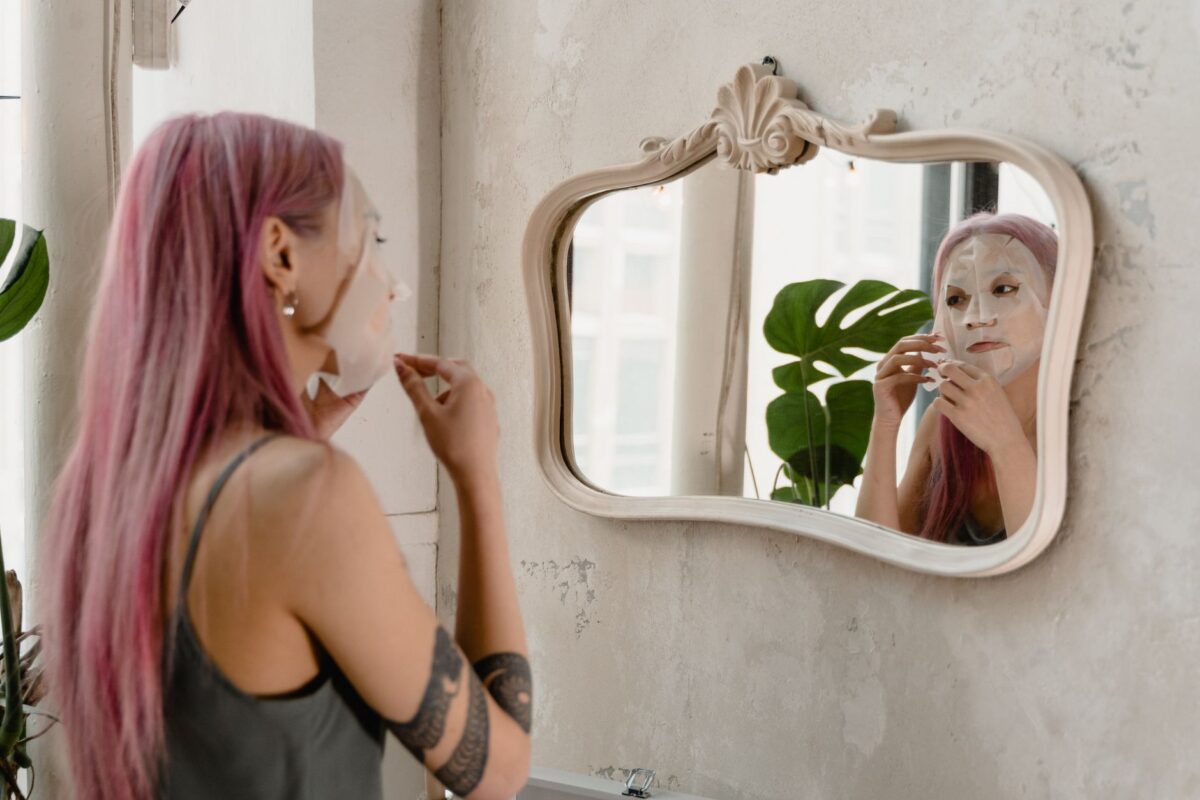
If you’ve ever looked in the mirror and thought, “Why is my skin breaking out like I’m back in high school, especially right along my jaw?” you’re not alone. Adult jawline acne is one of the most common (and frustrating) patterns of breakouts. It can show up as tender bumps under the skin, clusters of inflamed pimples near the chin, or recurring spots that seem to pop up in the exact same place every month.
Jawline acne can be stubborn because it’s often tied to internal triggers (like hormones and stress) and external ones (like friction, skincare products, and even habits you don’t realize you have). The good news: once you understand what’s driving it, you can build a treatment plan that actually fits your life. And your skin.
This guide walks through the most common causes of adult acne on the jawline, what your breakouts might be trying to tell you, and practical ways to treat and prevent them. We’ll also touch on a few surprising connections, like how your oral care routine and mouth-area irritation can sometimes play a role in what’s happening along the jaw.
Why the jawline is such a common trouble zone
The jawline sits at the crossroads of a few acne-friendly conditions: oil glands, hair follicles, frequent touching, and regular friction from things like masks, phone screens, helmet straps, scarves, and even pillowcases. That area also tends to get less “gentle care” than your cheeks, people scrub it harder, forget to rinse cleanser fully, or apply heavier products there without noticing.
Another reason jawline acne stands out is that it’s often deeper and more inflamed. Instead of small whiteheads, you might see nodules or cyst-like bumps that hurt when you smile, chew, or rest your hand on your face. Those deeper lesions can linger and are more likely to leave marks.
Finally, the jawline and chin area is a classic pattern for hormonally influenced acne. That doesn’t mean hormones are always the cause, but it’s common enough that it deserves special attention, especially if breakouts flare around your menstrual cycle, during stressful periods, or after changing birth control.
Hormones: the most talked-about trigger (and often the real one)
Androgens, oil production, and clogged pores
Hormones influence how much oil (sebum) your skin produces. Androgens, like testosterone, can increase sebum production and make pores more likely to clog. When oil mixes with dead skin cells, it can plug the follicle, creating the perfect environment for acne-causing bacteria to multiply.
Even if your hormone levels are “normal,” your skin can be more sensitive to hormonal shifts. That’s why some people experience jawline breakouts with subtle changes, like a stressful month, a change in sleep, or a new workout routine, because those things can nudge hormones and inflammation.
If your acne is mostly on the jawline and chin and tends to be deeper, recurring, and cyclical, hormones are worth considering as a key driver.
Cycle-related flares and perimenopause
Many adults notice jawline acne flares in the week leading up to their period. Progesterone and estrogen fluctuate, and those shifts can change oil production, skin swelling, and how easily pores clog. The result: breakouts that feel like they appear overnight and take forever to calm down.
Perimenopause can also bring jawline acne back into the picture. As estrogen levels change, relative androgen influence can rise. You may notice new breakouts even if your skin was clear for years, along with dryness or sensitivity that makes typical acne products feel harsher.
Tracking your breakouts for two to three months, where they appear, how they feel, and when they flare, can provide surprisingly useful clues to share with a dermatologist or healthcare provider.
PCOS and other endocrine factors
Polycystic ovary syndrome (PCOS) is a common endocrine condition that can be associated with acne, irregular periods, and excess hair growth. Not everyone with jawline acne has PCOS, but if you also have irregular cycles, thinning hair, or increased facial hair, it’s worth discussing with your clinician.
Thyroid issues and other hormonal imbalances can also affect skin health indirectly through inflammation, stress hormones, and changes in oil production. Acne is rarely the only symptom, but it can be one of the most visible.
The goal isn’t to self-diagnose. It’s to recognize patterns that suggest you might benefit from lab work or a targeted treatment plan rather than endlessly switching face washes.
Stress, sleep, and the inflammation loop
Cortisol and why “busy seasons” show up on your jaw
Stress doesn’t just live in your head; it shows up in your skin. When stress is high, cortisol can increase inflammation and may stimulate oil production. That can make pores more likely to clog and existing blemishes more likely to swell and linger.
Many people notice jawline acne during high-pressure times, deadlines, travel, family stress, or major life changes. It’s not that stress “causes” acne out of thin air, but it can amplify the conditions that make breakouts more likely and harder to heal.
Stress can also lead to behaviors that worsen acne: touching the face, skipping skincare, picking at bumps, eating more high-glycemic snacks, or sleeping poorly.
Sleep quality and skin repair
Sleep is when your body does a lot of its repair work. When sleep is short or inconsistent, inflammation tends to rise, and skin barrier function can suffer. That can make you more reactive to products and environmental irritants. And less able to bounce back from breakouts.
Poor sleep can also increase cravings for sugary foods and reduce impulse control, which can indirectly affect acne triggers. Again, it’s a chain reaction, not a single cause.
If you’re dealing with persistent jawline acne, improving sleep consistency is one of the most underrated “treatments” you can try alongside topical products.
Friction, occlusion, and the “acne mechanica” effect
Masks, helmets, chin straps, and constant rubbing
Anything that rubs, traps heat, or holds moisture against your skin can contribute to breakouts, especially along the jawline where straps and edges sit. This is often called acne mechanica. It’s common in athletes, healthcare workers, and anyone who wears gear for long stretches.
The combination of friction + sweat + bacteria can irritate follicles and make clogged pores more likely. You might notice small bumps, redness, or inflamed pimples in the exact shape of where fabric or straps sit.
Practical fixes include switching to softer materials, washing reusable masks frequently, taking breaks when possible, and applying a light, non-comedogenic barrier product (like a simple moisturizer) to reduce friction.
Phones, hands, and “resting your chin” habits
Jawline acne can also be fueled by everyday habits: resting your chin on your hand, touching your face while thinking, or holding your phone against your cheek and jaw. Hands carry oils and bacteria, and phones collect grime that can transfer to skin.
It’s not about being perfectly clean. It’s about reducing repeated exposure. Wiping down your phone daily and becoming aware of chin-resting can make a measurable difference over time.
If you notice breakouts more on one side, look for asymmetrical habits: side-sleeping, phone use, or even a helmet strap that sits unevenly.
Skincare and haircare products that quietly clog pores
Comedogenic ingredients and “too heavy” routines
Adult skin often feels drier than teen skin, so it’s easy to overcorrect with rich creams, balms, facial oils, or thick sunscreens, especially in winter. Some of these products can be perfectly fine for cheeks but too occlusive for the jawline, where pores can clog more easily.
Watch for patterns: do you break out after trying a new moisturizer, sunscreen, or makeup? Are bumps concentrated along the jaw where you blend foundation down the neck? Sometimes the issue isn’t acne “from within,” but product buildup plus incomplete cleansing.
Try simplifying for two to three weeks: one gentle cleanser, one light moisturizer, one sunscreen. Then add products back one at a time so you can identify the real trigger.
Hair products and “pomade acne” near the jaw
Hair oils, leave-in conditioners, styling creams, and sprays can migrate to the skin, especially around the hairline, temples, and jaw. If you have longer hair, product can transfer to your jawline as hair brushes your face throughout the day.
Consider washing your face after styling your hair (or at least rinsing the jawline area), keeping hair off your face when possible, and choosing lighter hair products if you’re acne-prone.
Also, clean your brushes, combs, and pillowcases regularly. Those can hold onto oils and product residue that repeatedly re-contact your skin.
Diet and jawline acne: what matters and what’s overhyped
High-glycemic foods and insulin spikes
Research suggests that high-glycemic diets (think sugary snacks, sweet drinks, refined carbs) can worsen acne for some people. These foods can influence insulin and IGF-1, which may increase oil production and inflammation.
This doesn’t mean you need to “eat perfectly” to have clear skin. But if your jawline acne is persistent, experimenting with reducing high-glycemic foods for a few weeks can be a useful, low-risk test.
Focus on swaps that feel realistic: more protein at breakfast, adding fiber, choosing less sugary snacks, and staying hydrated.
Dairy: not always the villain, but sometimes a factor
Dairy is a tricky one. Some people see no change; others notice breakouts, often with skim milk in particular. The reason may relate to hormones and bioactive molecules in milk that can influence acne pathways.
If you suspect dairy is contributing, try a structured approach: reduce or remove it for three to four weeks and see if jawline inflammation improves. Then reintroduce and watch what happens.
It’s important not to cut major food groups without a plan. If you remove dairy, make sure you’re still getting enough calcium and vitamin D through other sources.
When jawline acne isn’t acne
Folliculitis, ingrown hairs, and shaving-related bumps
Not every bump on the jawline is acne. Folliculitis (inflamed hair follicles) can look like acne but may be triggered by bacteria, yeast, sweat, or friction. It can be itchy, appear in clusters, and sometimes responds better to antifungal or antibacterial approaches than typical acne treatments.
Ingrown hairs are another common culprit, especially along the jaw and neck in people who shave. The bumps can be tender and may have a visible hair trapped under the skin. Using a sharp, clean razor, shaving with the grain, and avoiding overly close shaves can help.
If you’re unsure whether it’s acne or folliculitis, a dermatologist can usually tell quickly. And that can save you months of trial-and-error.
Perioral dermatitis and irritation around the mouth
Perioral dermatitis can cause small bumps and redness around the mouth and chin. It can be triggered by topical steroids, heavy creams, certain toothpastes, and skin barrier disruption. It often feels different from acne, more like a rash with tiny bumps.
If your “jawline acne” is concentrated around the mouth and gets worse with richer products, consider whether irritation is playing a role. A gentle routine and avoiding triggers is usually the first step.
This is also a good reminder that sometimes less is more, especially when the skin barrier is stressed.
Building a treatment plan that actually works
Start with the basics: cleanse gently and consistently
Consistency beats intensity. A gentle cleanser used twice daily is often more effective than a harsh cleanser that leaves your skin tight and irritated. Over-cleansing can damage the skin barrier, leading to more inflammation and more breakouts.
If you wear makeup or heavy sunscreen, consider a double cleanse at night: an oil-based cleanser or micellar water first, followed by a gentle foaming or cream cleanser. Make sure you’re rinsing thoroughly along the jawline, under the chin, and near the ears, common “missed spots.”
Pat dry with a clean towel (or disposable face towels if you’re very acne-prone) and avoid scrubbing. Scrubbing can worsen inflammation and spread bacteria.
Topical ingredients that help jawline acne
A few topical ingredients have the best track record for adult acne:
Adapalene (retinoid): Helps prevent clogged pores and supports cell turnover. Start 2–3 nights per week and build up as tolerated. Use a moisturizer to reduce dryness.
Benzoyl peroxide: Helps reduce acne-causing bacteria and inflammation. It can be drying and may bleach fabrics, so consider using it as a wash or spot treatment.
Salicylic acid (BHA): Helps unclog pores and reduce oiliness. It’s often helpful for blackheads and small bumps along the jaw.
Azelaic acid: Great for redness, sensitivity, and post-acne marks. It can be a nice option if you can’t tolerate stronger actives.
Introduce one active at a time for at least 2–3 weeks so you can tell what’s helping (and what’s irritating). Layering too many actives at once is a common reason people feel like “nothing works.”
When prescription options make sense
If jawline acne is deep, painful, scarring, or persistent after 8–12 weeks of consistent over-the-counter care, it may be time to consider prescription options. Dermatologists often use topical retinoids, topical antibiotics (short-term), oral antibiotics (short-term), or hormonal therapies depending on the pattern.
For hormonally driven jawline acne, treatments like spironolactone or certain oral contraceptives can be very effective. The decision depends on your medical history, goals, and tolerance for side effects. So it’s a conversation, not a one-size-fits-all rule.
If you’re pregnant, trying to conceive, or breastfeeding, some acne treatments are not recommended. Always check with a clinician for a plan that’s safe for you.
Daily habits that make treatments work better
Hands off: reducing picking and “spot checking”
Jawline acne is tempting to pick because it’s often raised and painful. But picking increases inflammation, raises the risk of infection, and makes dark marks and scars more likely. It also turns a small clog into a long healing process.
If you pick without realizing it, try a few practical barriers: hydrocolloid patches on active spots, keeping nails short, or using a fidget object while working. Even reducing picking by 50% can improve how your skin looks in a month.
Also, try to avoid “spot checking” in magnifying mirrors. Those mirrors can lead to over-treatment and irritation, especially around the chin where skin is more reactive.
Pillowcases, towels, and the small stuff
Clean pillowcases matter more than people think, especially if you use hair products at night. Aim to swap pillowcases 2–3 times per week if you’re actively breaking out. If that feels like a lot, try flipping your pillow each night and changing cases weekly.
Use a dedicated face towel and change it frequently. Better yet, let your face air dry after cleansing or use disposable face towels during flare-ups.
These changes won’t cure acne on their own, but they remove background irritation so your treatments can do their job.
The mouth-jaw connection: irritation, bacteria, and oral care routines
Toothpaste, mouth-area sensitivity, and breakouts
The skin around the mouth and jaw is exposed to toothpaste, mouthwash, and saliva daily. For some people, certain toothpaste ingredients (like strong flavors or foaming agents) can irritate the skin and contribute to a rash-like breakout pattern around the mouth and chin.
If your jawline acne clusters near the corners of your mouth or right under the lower lip, it may be worth experimenting with a gentle toothpaste and being careful to rinse the skin around your mouth after brushing. Also, avoid letting toothpaste sit on the skin while you do other things.
Oral hygiene itself is important for overall health, and keeping inflammation down in general can be helpful for skin. If you’re looking to strengthen enamel and support long-term oral health, options like fluoride treatment st augustine are often discussed in dental settings, especially for people prone to sensitivity or cavities. While that’s not an acne treatment, it’s part of the bigger picture of caring for the mouth area without extra irritation.
Dental work, facial tenderness, and why it can confuse the picture
Sometimes people notice jaw tenderness and assume it’s “acne pain,” when it could be muscle tension, clenching, or dental-related discomfort. Stress can lead to jaw clenching at night, which can make the area feel sore and also encourage more face touching during the day. Both of which can worsen breakouts.
Dental procedures can also temporarily change habits: you might rest your hand on your face more, sleep differently, or avoid certain foods, and those shifts can influence skin indirectly. If you’ve had recent dental treatment and your jawline is suddenly acting up, consider whether routine changes are playing a role.
For example, people exploring restorative options like dental crowns st augustine may be more aware of chewing patterns and jaw discomfort for a while. If that leads to more touching or rubbing the jawline, it can contribute to irritation. So it’s helpful to be mindful and keep skincare gentle during that period.
Swelling, extractions, and temporary skin flare-ups
Any situation that increases swelling or changes how you sleep can affect the jawline area. After dental procedures, some people use occlusive ointments, ice packs, or rest their face against pillows more than usual, all of which can create friction and trapped moisture.
If you’ve recently had something like wisdom teeth removal st augustine, it’s not unusual to see temporary skin changes around the jawline. The goal during recovery is to keep the area clean and comfortable, avoid heavy products near the mouth if you’re prone to clogged pores, and return to your normal gentle routine once you’re healed.
If a flare-up persists beyond the recovery window or looks more like a rash than acne, checking in with a dermatologist can help you avoid treating the wrong condition.
How to tell if your routine is working (without obsessing)
What improvement really looks like at 2, 6, and 12 weeks
Acne treatments take time, especially for jawline breakouts that tend to be deeper. In the first two weeks, the goal is usually “less angry skin,” not perfectly clear skin. You might notice reduced redness, fewer new bumps, or quicker healing.
By six weeks, you’re looking for fewer new inflamed spots and less tenderness. If you’re using a retinoid, this is often when you start seeing a more meaningful shift, though some people experience a purge early on.
By twelve weeks, you should have a clearer sense of whether your plan is working. If you’re still getting frequent deep jawline lesions, it may be time to adjust the approach rather than simply pushing harder with more products.
Tracking triggers without turning skincare into homework
You don’t need a complicated spreadsheet to find patterns. A simple note in your phone can help: date, location of breakouts, stress level, cycle timing, and any new products or foods. Over time, patterns become obvious.
If you notice flares after specific events, like long mask days, certain hair products, or late-night snacking, you can test one change at a time. That’s the fastest way to get useful answers.
Most importantly, be kind to yourself during the process. Adult acne is common, and it’s not a sign you’re doing something wrong. It’s usually just a sign your skin needs a different strategy.
Common mistakes that keep jawline acne hanging around
Over-exfoliating and damaging the skin barrier
When acne won’t budge, it’s tempting to scrub harder, use stronger acids, or stack multiple actives at once. Unfortunately, irritation can look like acne and can also worsen real acne by increasing inflammation.
If your jawline feels tight, stings when you apply moisturizer, or looks shiny and red, your barrier may be compromised. In that case, scaling back to a gentle cleanser, a plain moisturizer, and sunscreen for a couple of weeks can help reset things.
Once your skin feels calm again, reintroduce one active slowly. Slow progress is still progress. And it’s often more sustainable.
Spot treating only, instead of treating the whole zone
Jawline acne often forms under the surface before you see it. If you only spot treat visible pimples, you’re always playing catch-up. Using a preventative treatment across the entire jawline/chin area (like a retinoid or BHA) can reduce the number of new clogs forming.
That doesn’t mean you need to apply strong products everywhere on your face. You can “zone treat” by applying actives where you break out and keeping the rest of your face on a gentler routine.
This approach is especially helpful if your cheeks are dry or sensitive but your jawline is oily and acne-prone.
When to get help sooner rather than later
Signs you may need professional support
If you’re getting painful cysts, scarring, or dark marks that linger for months, it’s worth seeing a dermatologist sooner. The longer deep inflammatory acne continues, the higher the risk of lasting texture changes.
Also consider professional help if acne is affecting your confidence, causing anxiety, or leading to compulsive picking. You deserve support that goes beyond “try this cleanser.”
Dermatologists can also rule out look-alikes (like folliculitis or perioral dermatitis) and tailor treatment to your skin type, lifestyle, and medical history.
Smart questions to bring to your appointment
To make the visit more productive, consider asking: Is this hormonal acne? Could this be perioral dermatitis or folliculitis? What’s a realistic timeline? Which products should I stop? And what’s the simplest routine that will work?
Bring a list of current products (or photos), note any cycle patterns, and mention any recent medication changes. Those details help your clinician pick treatments that match your specific trigger profile.
With the right plan, jawline acne can improve dramatically, even if it has been stubborn for years.
Ohio city guides
Invisalign, city by city
Columbus
Cost, the treatment process, financing and four practices with Columbus offices.
Cincinnati
What aligners cost in the city, how treatment runs and four local practices.
Cleveland
Benefits over braces, the process, cost and four practices with Cleveland offices.
Toledo
Cost, insurance and financing, choosing a provider and four Toledo practices.
Akron
The treatment process step by step, cost, aftercare and four Akron practices.
Dayton
What to expect, what it costs, how to choose and four practices with Dayton offices.