
When people think about oral health, they usually picture teeth and gums. But there’s another major player holding everything together: the jawbone. Your teeth are meant to “live” in bone, and that bone needs regular stimulation and stability to stay strong. When the bone begins to shrink or weaken, it can quietly change your smile, your bite, and even the shape of your face.
Dental bone loss can sound scary, but it’s also common. And in many cases, treatable. The tricky part is that it often progresses slowly, with symptoms that can be easy to dismiss until the changes become obvious. Understanding what causes it, how dentists spot it, and which treatment paths exist can help you protect your long-term oral health (and avoid bigger procedures later).
This guide breaks down the most common causes of dental bone loss, the signs to watch for, and the modern ways it’s treated, from gum therapy and grafting to implants and full-arch solutions. If you’ve been told you’re losing bone, or you’re noticing shifting teeth or gum recession, you’re in the right place.
What “dental bone loss” really means (and why it matters)
Dental bone loss usually refers to the gradual reduction of the alveolar bone, the part of your jawbone that surrounds and supports your teeth. This bone is living tissue. It remodels constantly based on forces like chewing, grinding, and the natural stimulation that happens when teeth are healthy and stable.
When that stimulation is reduced (like after a tooth is lost), or when the bone is damaged (like from advanced gum disease), the body can begin to resorb bone in that area. Over time, this can lead to loosening teeth, bite changes, and difficulties with restorations like dentures or bridges that rely on a stable foundation.
Bone loss isn’t just a “cosmetic” issue. It can affect speech, chewing, nutrition, and the long-term prognosis of remaining teeth. It can also make future tooth replacement more complex, since many options, especially dental implants, require adequate bone volume and density.
How the jawbone stays healthy in the first place
Your jawbone thrives on function. When you bite and chew, gentle forces travel through the teeth into the surrounding bone. That stimulation signals the body to maintain bone density. It’s similar to how weight-bearing exercise helps keep the rest of your skeletal system strong.
Your gums also play a protective role. Healthy gums form a seal around teeth, keeping bacteria from migrating deeper into tissues where they can trigger inflammation and bone breakdown. Once that seal is compromised, through gum disease, trauma, or chronic irritation, the risk to the underlying bone increases.
Finally, your bite matters. When the forces of chewing are evenly distributed, your teeth and bone share the workload in a balanced way. But if certain teeth take too much pressure, because of misalignment, clenching, or missing teeth, bone and supporting tissues can start to respond in unhealthy ways.
Common causes of dental bone loss
Gum disease (periodontitis) as the leading cause
Periodontitis is the most common cause of dental bone loss in adults. It typically begins as gingivitis, gum inflammation caused by plaque buildup. If plaque isn’t removed, it hardens into tartar and creates a rough surface where more bacteria can cling.
As bacteria and inflammation move below the gumline, the body’s immune response can begin breaking down the tissues and bone that hold teeth in place. This often creates “pockets” around the teeth, spaces where bacteria thrive and where bone loss can accelerate.
One of the most frustrating things about periodontitis is that it can be painless for a long time. People may not realize anything is wrong until they notice bleeding gums, persistent bad breath, gum recession, or teeth that feel slightly mobile.
Tooth loss and the “use it or lose it” effect
When a tooth is removed or falls out, the bone that used to support it no longer receives stimulation. The body essentially decides that the bone in that area isn’t needed at the same level, and it begins to resorb it over time.
This resorption can happen faster than most people expect. Significant changes can occur within the first year after tooth loss, and the process can continue for years. That’s one reason dentists often encourage timely tooth replacement when possible.
Bone loss after tooth loss can also affect neighboring teeth. Adjacent teeth may drift into the empty space, opposing teeth can over-erupt, and the bite can become less stable, creating even more uneven forces across the jaw.
Trauma and chronic bite stress
A sudden injury, like a sports accident, can damage teeth and the surrounding bone. But chronic trauma is also a major issue, especially when it comes from grinding (bruxism) or an imbalanced bite.
When excessive force is repeatedly applied to certain teeth, the supporting structures can become inflamed and start to break down. Over time, this may contribute to mobility and bone changes, particularly if gum disease is also present.
Many people grind their teeth at night without realizing it. Morning jaw soreness, headaches, worn tooth edges, and cracked fillings can all be clues that your bite is under too much stress.
Smoking, vaping, and other lifestyle factors
Tobacco use is strongly linked to gum disease and bone loss. Smoking reduces blood flow to the gums, impairs healing, and can mask symptoms like bleeding, meaning gum disease may progress further before it’s detected.
Vaping is still being studied, but early evidence suggests it can also irritate oral tissues and may contribute to inflammation. Inflammation is a major driver of tissue breakdown in the mouth, including the bone.
Nutrition plays a role too. Diets low in key nutrients, like calcium, vitamin D, and protein, can make it harder for the body to maintain bone and repair tissues. And high-sugar diets can increase the risk of decay and gum inflammation, indirectly raising bone-loss risk.
Medical conditions and medications
Certain systemic conditions can increase the risk of dental bone loss. Diabetes is a big one: elevated blood sugar can impair healing and increase susceptibility to infections, including periodontal infections.
Osteoporosis affects bone density throughout the body, and while it doesn’t directly “cause” periodontitis, it may influence bone strength and how the jaw responds to inflammation. Some medications can also affect oral tissues or saliva flow, which can alter the mouth’s natural defenses.
Dry mouth (xerostomia), whether from medications or medical conditions, can raise the risk of cavities and gum disease. Saliva helps neutralize acids and wash away bacteria; without it, the environment becomes more hostile to teeth and gums.
Signs and symptoms that may point to bone loss
Gum changes you can see and feel
Gum recession is one of the most noticeable signs. Teeth may look longer, and you might feel sensitivity near the gumline. Recession doesn’t always mean bone loss is severe, but it can be a warning sign that supporting structures are changing.
Bleeding when brushing or flossing is another clue. Occasional bleeding can happen if you’re flossing after a long break, but frequent bleeding is often a sign of inflammation that needs attention.
Swollen, tender gums or gums that seem to “pull away” from the teeth can suggest deeper periodontal pockets, where bacteria can damage bone over time.
Tooth mobility, shifting, and bite changes
Teeth that feel slightly loose can indicate that the supporting bone and ligaments are compromised. Even minor mobility deserves evaluation, because early intervention can sometimes stabilize the situation.
Spacing changes, like new gaps between teeth, can happen when bone support decreases. Teeth may drift, rotate, or flare outward, especially in the front.
You might also notice your bite feels “off.” Maybe your teeth don’t fit together the way they used to, or you’re hitting one side first. Bite changes can be subtle, but they matter because they can create additional stress that speeds up breakdown.
Bad breath and a persistent “bad taste”
Chronic bad breath (halitosis) can have many causes, but gum disease is a common one. Bacteria in periodontal pockets produce sulfur compounds that smell unpleasant and can be difficult to eliminate with brushing alone.
A persistent bad taste can also occur when infection is present under the gumline. Some people notice a metallic taste or a feeling that their mouth never quite feels “clean.”
These symptoms don’t automatically mean bone loss has occurred, but they’re strong reasons to schedule a periodontal evaluation.
How dentists diagnose dental bone loss
Diagnosing bone loss typically starts with a clinical exam and periodontal charting. Your dentist or hygienist measures the depth of the pockets around your teeth. Healthy pockets are generally shallow; deeper pockets can indicate attachment loss and a higher risk of bone damage.
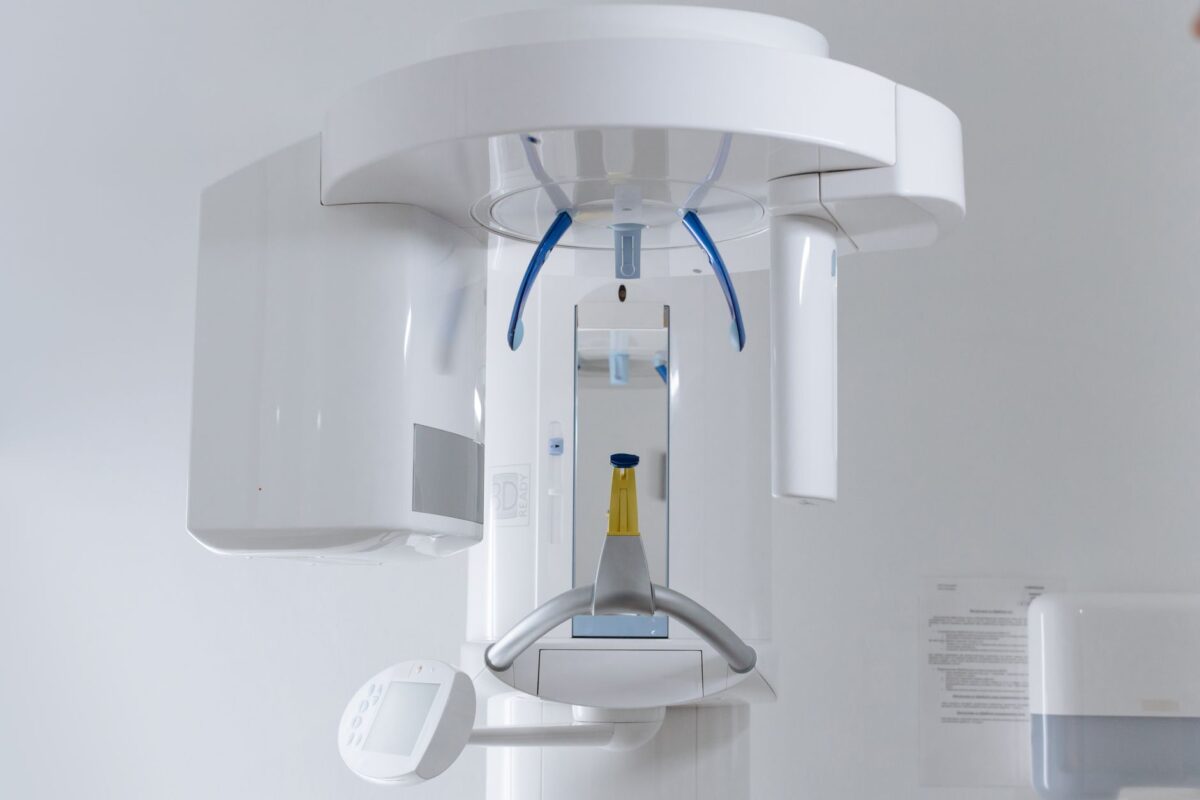
Dental X-rays are essential, because bone loss isn’t always visible to the naked eye. Bitewing and periapical X-rays can show changes in bone height around teeth. In more complex cases, especially when planning implants or grafting, 3D imaging (CBCT scans) may be recommended to evaluate bone volume and anatomy.
Your provider will also look at contributing factors: plaque and tartar buildup, gum inflammation, bite forces, existing restorations, and your medical history. Bone loss is rarely caused by just one thing; it’s often a combination of biology, habits, and time.
Treatment options for dental bone loss (and what they’re for)
Deep cleaning and periodontal maintenance
When bone loss is related to gum disease, the first step is often controlling the infection and inflammation. Scaling and root planing, sometimes called a “deep cleaning”, removes plaque and tartar from below the gumline and smooths root surfaces so gums can reattach more effectively.
For many patients, deep cleaning plus improved home care can reduce pocket depth and slow or stop progression. It doesn’t “regrow” lost bone in a dramatic way, but it can help stabilize the environment so further loss is less likely.
After active treatment, periodontal maintenance visits (more frequent cleanings) are often recommended. This is not a punishment. It’s a practical strategy. Periodontal bacteria can repopulate, and more frequent professional care helps keep things under control.
Antibiotics and antimicrobial therapies
In some cases, dentists use localized antibiotics placed directly into periodontal pockets, or antimicrobial rinses to reduce bacterial load. These can be helpful adjuncts, especially when certain areas are stubborn.
Systemic antibiotics (pills) are less commonly used for routine gum disease, but may be considered in aggressive cases or when infection is widespread. The goal is to reduce bacteria enough for the body to heal and for mechanical cleaning to be more effective.
It’s important to see antibiotics as support, not the main solution. If tartar and plaque remain under the gums, bacteria will return quickly. Mechanical removal and consistent home care still do the heavy lifting.
Gum surgery for advanced periodontal disease
When pockets are too deep to clean effectively with non-surgical methods, periodontal surgery may be recommended. This can include flap surgery (to access deep tartar), osseous surgery (to reshape bone irregularities), and regenerative procedures (to encourage bone and tissue regrowth where possible).
Regenerative approaches may involve bone graft materials, membranes, or biologics that help guide healing. Results depend on the shape of the defect, the severity of disease, and how well inflammation is controlled afterward.
If you’re researching surgical options, it can help to understand what procedures are commonly used and why. For readers wanting a deeper look at periodontal procedures in the area, this resource on sarasota gum surgery outlines how gum-focused treatments can support healthier tissues and, in the right cases, help manage bone-related complications.
Bone grafting to rebuild lost volume
Bone grafting is often discussed in the context of dental implants, but it can also be used in periodontal regeneration or ridge preservation after a tooth extraction. The idea is to add graft material to an area where bone is deficient, giving your body a scaffold to build new bone over time.
There are different graft sources: autografts (your own bone), allografts (donor bone), xenografts (often bovine-derived), and synthetic materials. Your dentist will recommend an option based on the size of the defect, your health history, and the treatment goal.
Healing takes time. Bone remodeling can take several months, and during that time, the area needs protection from infection and excessive force. When done for implant planning, grafting can make the difference between being a candidate for implants and not having enough support.
Dental implants and implant-supported restorations
Dental implants can help prevent further bone loss in an area where a tooth is missing because they restore functional stimulation to the jawbone. Unlike a traditional bridge, an implant replaces the root structure, which is what transmits chewing forces into the bone.
However, implants require enough bone to be stable. If bone loss has already progressed, grafting or specialized implant techniques may be needed. A thorough evaluation, often including 3D imaging, helps determine what’s possible.
Implant-supported restorations range from single crowns to full-arch solutions. For people missing many teeth or dealing with advanced breakdown, implant-supported bridges or dentures can provide a more stable bite and help reduce the ongoing cycle of shifting and pressure that can contribute to further problems.
Full-arch and comprehensive rebuilding when bone loss is extensive
In some situations, bone loss is part of a bigger picture: multiple failing teeth, collapsing bite, worn enamel, and long-term gum issues. At that point, piecemeal dentistry can feel like patching a roof during a storm. A more comprehensive plan may be more predictable and cost-effective over time.
This is where full-mouth planning comes in, coordinating gum health, bite alignment, tooth replacement, and aesthetics. It can involve periodontal therapy, extractions, grafting, implants, bridges, and carefully designed restorations that distribute force evenly.
If you’re exploring what a comprehensive approach can look like, this page on full mouth reconstruction sarasota is a helpful example of how dentistry can bring multiple treatments together when bone loss and tooth damage are affecting the whole smile.
How orthodontics and retainers relate to bone health
Tooth movement, bone remodeling, and stability
Orthodontic treatment works because bone can remodel. When gentle, controlled force is applied to a tooth, bone is resorbed on one side and built on the other, allowing the tooth to move through the bone. This is normal physiology. But it also highlights why healthy gums and bone are important before moving teeth.
If someone has active periodontal disease, moving teeth without controlling inflammation can worsen attachment loss. That’s why dentists often insist on stabilizing gum health first. With the right planning, orthodontics can sometimes improve function and make it easier to clean, which can support long-term periodontal stability.
After orthodontic movement, retention matters. Teeth have a natural tendency to drift, and if they shift into a less stable bite, certain areas can become overloaded, potentially increasing risk for mobility or further breakdown in vulnerable mouths.
Retainers as a long-term protective tool
Retainers are often thought of as purely cosmetic, something you wear so your teeth don’t look crooked again. But there’s a functional side too: keeping teeth in stable positions can help maintain an even bite and reduce uneven forces that contribute to wear and periodontal stress.
For people who have experienced gum recession or mild bone loss, retainers can be part of a “stability strategy,” especially after orthodontic treatment or after restorative work that re-establishes a healthier bite.
If you’re curious about options and how retention fits into long-term care, this overview of retainers in sarasota, fl shows how retention can be customized, because the best retainer is the one you can actually wear consistently.
What happens if dental bone loss is ignored
Bone loss tends to be progressive when the underlying cause isn’t addressed. With gum disease, pockets deepen, bacteria become harder to control, and more bone can be lost around more teeth. Eventually, teeth may become loose enough that they can’t be saved.
When missing teeth aren’t replaced, the bone in those areas continues to resorb, and nearby teeth may tip or drift. This can create food traps, increase the risk of cavities and gum inflammation, and make future restoration more complicated.
There’s also a facial component. Significant bone loss, especially in the upper and lower jaws, can reduce support for the lips and cheeks. People may notice a more “sunken” look around the mouth, deeper lines, and changes in how dentures fit if they wear them.
Practical ways to slow down or prevent bone loss
Daily home care that actually makes a difference
Brushing twice a day is a great baseline, but gum health is heavily influenced by what happens between teeth and along the gumline. Flossing (or using interdental brushes) disrupts plaque where toothbrush bristles don’t reach, reducing the bacterial load that drives inflammation.
Technique matters more than most people think. Brushing too aggressively can irritate gums and contribute to recession, while brushing too lightly can leave plaque behind. A soft-bristled brush and gentle, thorough strokes are usually ideal.
If you’re prone to gum issues, consider asking your dentist about tools like water flossers, prescription-strength toothpaste, or antimicrobial rinses. These aren’t magic fixes, but they can make your routine more effective and easier to maintain.
Professional cleanings and early intervention
Regular dental visits aren’t just about polishing teeth. They’re about catching changes early, before bone loss becomes severe. Early gum disease can often be reversed; advanced periodontitis is managed, not “cured,” and it requires more ongoing care.
If your dentist recommends more frequent cleanings, it’s usually because your mouth needs a tighter maintenance schedule to stay stable. This is especially common for people with a history of periodontal disease, smokers, and those with diabetes.
It’s also worth getting periodic X-rays as recommended. Bone changes can happen out of sight, and imaging provides a baseline to compare over time.
Managing clenching and grinding
If you clench or grind, a night guard can reduce the intensity of forces placed on teeth and supporting bone. It doesn’t eliminate stress entirely, but it helps protect enamel and can reduce trauma to the periodontal ligament.
Stress management helps too. Bruxism is often linked to stress and sleep quality. Improving sleep hygiene, addressing anxiety, and treating sleep apnea (when present) can reduce grinding in some individuals.
Also, don’t ignore a bite that feels “off.” Sometimes a small adjustment or a plan to correct worn restorations can make chewing forces more even and reduce chronic overload.
Choosing the right treatment plan: what to ask your dentist
If you’ve been told you have bone loss, it’s okay to slow down and ask questions. A good plan should explain what treatment is recommended and why it’s recommended for your specific situation.
Helpful questions include: How much bone loss is present, and where? Is it stable or progressing? What’s the main cause, gum disease, missing teeth, bite stress, or a combination? What are the risks if we do nothing for six months or a year?
You can also ask about sequencing. For example, it’s common to stabilize gum health first, then address missing teeth, then refine the bite and aesthetics. Understanding the order helps you see the logic behind the plan and budget time and cost realistically.
What recovery and results can look like (depending on treatment)
Recovery varies widely. Deep cleaning can leave gums tender for a day or two, while periodontal surgery or grafting may involve a longer healing period with dietary restrictions and careful hygiene instructions.
In implant and graft cases, patience is part of the process. Bone needs time to integrate and mature. Rushing to place restorations too soon can compromise stability, so it’s normal for treatment timelines to span months in complex cases.
The upside is that modern dentistry has a lot of tools for rebuilding function. Many people who start out worried about loose teeth or a collapsing bite end up with a stable, comfortable smile, especially when they commit to maintenance and address the root causes that led to bone loss in the first place.
A friendly reminder if you’re feeling overwhelmed
Hearing “bone loss” can make anyone anxious. But bone loss exists on a spectrum, and the best next step is almost always the same: get a clear diagnosis and a plan that matches your goals, your health, and your timeline.
For some people, that plan is straightforward, improved home care, a deep cleaning, and consistent maintenance. For others, it’s a bigger rebuild involving surgery, grafting, or implants. Either way, taking action early typically gives you more choices and better long-term outcomes.
If you’ve noticed bleeding gums, shifting teeth, or changes in your bite, consider it a nudge, not a verdict. With the right care, many of the effects of dental bone loss can be slowed, managed, and, in certain cases, partially rebuilt so you can chew comfortably and smile with confidence.
Ohio city guides
Invisalign, city by city
Columbus
Cost, the treatment process, financing and four practices with Columbus offices.
Cincinnati
What aligners cost in the city, how treatment runs and four local practices.
Cleveland
Benefits over braces, the process, cost and four practices with Cleveland offices.
Toledo
Cost, insurance and financing, choosing a provider and four Toledo practices.
Akron
The treatment process step by step, cost, aftercare and four Akron practices.
Dayton
What to expect, what it costs, how to choose and four practices with Dayton offices.